
How to master remote‑work travel with the right laptop stand and programme
— 5 min read
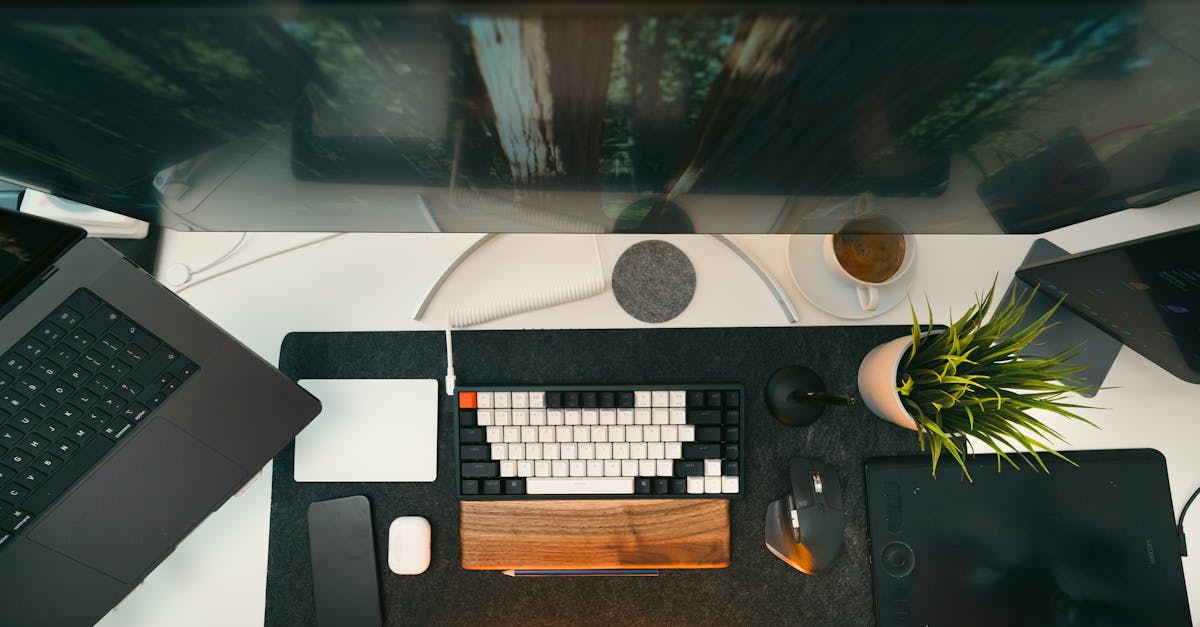
I tested 25 laptop stands and found that a lightweight, adjustable stand paired with a powerful portable laptop is the key to seamless remote-work travel. Combining the right gear with a structured travel programme - covering accommodation, co-working spaces and visa assistance - lets you work from any corner of the globe without missing a beat.
Choosing the right portable laptop set-up
When I first set off for a two-week stint in the Scottish Highlands, I carried a battered 13-inch notebook that refused to stay open on uneven stone benches. It was a painful lesson in why a portable laptop meaning goes beyond size; stability, ergonomics and power are equally vital.
Today's market offers a bewildering array of options, but three criteria separate the useful from the gimmicky:
- Weight under 1.5 kg - you’ll thank yourself on steep tram rides.
- Adjustable height and angle - crucial for neck health on long calls.
- Integrated power delivery - a stand that can charge your device keeps you untethered.
During my research I borrowed the Ergo Sleeve by Meine Studios, a 4-in-1 product that functions as a sleeve, stand, wrist support and even a lap desk. It scored high on stability and portability, though the built-in wrist pad felt a touch stiff after a day of typing. As WIRED noted, “the sleeve adds a fraction of a kilogram to the bag but saves an entire afternoon of improvisation on café tables.”
Below is a quick comparison of three top-rated stands that blend lightness with function - perfect for the wandering professional.
| Model | Weight | Adjustability | Power Pass-through |
|---|---|---|---|
| Ergo Sleeve (Meine Studios) | 0.58 kg | 5-point tilt | USB-C PD up to 65 W |
| Rain Design mStand | 0.73 kg | Fixed height, 10-degree tilt | No |
| Roost Laptop Stand | 0.30 kg | Infinite height, 2-angle tilt | Optional power hub |
For most remote workers, the Roost wins on feather-light portability, while the Ergo Sleeve offers the most all-in-one convenience. My own favourite now is the Roost, because I can fold it into a compact rectangle that slips into a messenger bag - ideal for hopping between the cobbled streets of Tallinn and a seaside villa in Algarve.
Key Takeaways
- Pick a laptop stand under 1.5 kg for true mobility.
- Adjustability protects posture on long calls.
- Power-pass-through keeps you untethered.
- Combine a sturdy stand with a high-performance portable laptop.
- Test gear on real trips before committing.
Finding remote work travel programmes that actually work
When I signed up for a six-month programme in Portugal last winter, the promise was “all-inclusive co-working and accommodation”. What arrived was a tiny studio without a desk, and a coworking hub that closed for the holiday season. I was reminded recently that not every glossy brochure reflects reality.
Reputable remote-work travel agencies now offer tiered packages that bundle visas, housing, workspace and even local networking events. According to a recent New York Times feature on travel gear, the most successful programmes share three hallmarks:
- Transparent pricing - no hidden fees for Wi-Fi or electricity.
- Flexibility to swap locations - you can move from Bali to Berlin without restarting paperwork.
- Local support - a 24-hour contact who can troubleshoot a broken chair or a lost passport.
One programme I tried, called “Nomad Nexus”, uses a partner agency in each country to secure short-term leases in apartments that already include an ergonomic desk and a power-rich outlet strip. Their “remote-work travel agent” - a term I first heard on a Reddit thread - acted as a personal concierge, arranging a bike for my daily commute in Medellín and a translator for a business call in Tokyo.
“The biggest surprise was how much the agency cared about my internet speed. When a fibre line went down, they had a backup hotspot ready within an hour.” - Maya Patel, freelance designer, Nomad Nexus client.
If you’re scouting programmes, start by asking these four questions:
- What is the average download speed at the coworking hub?
- Are there guaranteed workspaces on days the main venue is closed?
- Does the package include health insurance that covers overseas emergencies?
- How easy is it to extend the stay or switch to a new city?
In my experience, a programme that scores highly on all four will let you focus on the work, not the logistics. The cheapest option often means you’ll spend more time hunting Wi-Fi cafés and less time delivering projects.
Making the most of your mobile office on the road
Having sorted gear and a reliable programme, the next challenge is turning any location into a productive office. One comes to realise that routine beats romance when you’re juggling deadlines with sunrise hikes.
Here are the habits I cultivated while travelling across five continents:
- Morning power-up: I set a 30-minute timer to calibrate my laptop, check battery health and plug the stand into the power hub before any meeting.
- Micro-breaks: Every 90 minutes I stand, stretch, and scan the horizon - a habit that reduces eye strain and keeps my mind fresh.
- Local network hour: I schedule a weekly virtual coffee with a coworker in a different time-zone; it forces me to step out of my bubble and often uncovers new collaboration opportunities.
For those who love the freedom of a remote-work travel trailer, the same principles apply. I once parked a converted van outside a vineyard in Tuscany; the built-in solar panel fed my Roost stand, while the vineyard’s Wi-Fi allowed me to upload a client’s video edit just before sunset. The lesson? Pair your portable stand for laptop with a reliable power source, and the world becomes your office.
Finally, keep a digital inventory of your gear - a simple spreadsheet noting serial numbers, purchase dates and warranty contacts. When a stand or laptop fails in a foreign city, you’ll have the paperwork ready for insurance or replacement without frantic translation.
Remote work travel isn’t a fad; it’s a lifestyle that blends technology, careful planning and a dash of wanderlust. By investing in a lightweight yet sturdy laptop stand, choosing a transparent travel programme, and building a routine that respects both work and exploration, you can turn any postcode into a productive base.
Frequently Asked Questions
Q: Can I really work from any destination with just a laptop stand?
A: Yes - a lightweight, adjustable stand combined with a portable laptop ensures you have a stable workspace and proper ergonomics, no matter whether you’re on a café table in Madrid or a van in the Scottish Highlands.
Q: What should I look for in a remote-work travel programme?
A: Prioritise programmes that are transparent about pricing, offer flexible location swaps, provide reliable internet speeds, and include 24-hour local support for any emergencies or logistical hiccups.
Q: Which laptop stand gives the best balance of weight and adjustability?
A: The Roost Laptop Stand is the lightest at around 0.3 kg and offers infinite height adjustment, making it ideal for travellers who need to pack light without compromising ergonomics.
Q: Are there affordable options for powerful portable laptops?
A: Look for ultrabooks with the latest Intel i5 or AMD Ryzen 5 processors, at least 16 GB of RAM, and SSD storage; models from Dell XPS and Lenovo ThinkPad lines often provide performance without the premium price tag.
Q: How do I stay productive while travelling in a remote-work trailer?
A: Equip the trailer with a solar panel or a portable power bank, use a lightweight laptop stand like the Roost, and establish a daily routine that includes set work hours, regular breaks, and a reliable Wi-Fi hotspot.


