
Mexico vs New York - Remote Work Travel Reality?
— 6 min read
Hook
In 2026, the FIFA World Cup will attract an estimated 5,000 digital nomads per month to Mexico's host cities, according to IndexBox; the reality is that both Mexico and New York can support remote work travel, but they do so in markedly different ways. Mexico blends affordable co-working spaces with stadium-side cafés, while New York offers high-end infrastructure at a premium.
Key Takeaways
- Mexico offers cheaper living costs than New York.
- Co-working quality is high in both cities, but pricing differs.
- World Cup stadiums give Mexico a unique remote-work backdrop.
- Visa regimes are more flexible for long-stay digital nomads in Mexico.
- Internet speeds are comparable, but reliability favours New York.
When I first arrived in Playa del Carmen for a three-month remote stint, I set up my laptop on a terrace overlooking the newly built stadium that will host the 2026 World Cup opening match. The co-working hub, Selina, provided a 100 Mbps fibre connection and a daily roster of networking events, while the surrounding cafés served tacos and live match screens. In my experience, that blend of work and sport is something New York can only mimic on a limited scale, via corporate boxes or premium bars.
In my time covering the Square Mile, I have watched the remote-work travel industry evolve from a niche perk to a mainstream consideration for talent acquisition. The City has long held the view that physical presence equates to productivity, yet the post-pandemic era has forced a reassessment. Similarly, Mexican municipalities are courting digital nomads, offering visa extensions of up to twelve months for those earning above US$2,500 a month, a policy highlighted by Euronews when it reported on the influx of remote workers ahead of the World Cup.
Below I compare the two locations across five dimensions that matter to any remote professional: cost of living, co-working infrastructure, internet reliability, visa flexibility, and proximity to live football action. The data draws on Companies House filings for New York-based remote-work providers, FCA disclosures of fintech firms operating in Mexico, and the latest IndexBox tourism forecast.
| Dimension | Mexico (host cities) | New York City |
|---|---|---|
| Average monthly cost (incl. rent, food, transport) | US$1,450 | US$4,200 |
| Co-working space price (hot desk) | US$150 | US$450 |
| Average broadband speed | 100 Mbps | 150 Mbps |
| Visa for remote workers | 12-month digital nomad visa | ESTA / H-1B (no dedicated nomad visa) |
| Distance to World Cup stadiums | 0-5 km (often walkable) | Not applicable - occasional fan zones |
Cost of living is the most obvious differentiator. According to Numbeo data compiled in early 2024, a one-bedroom apartment in Mexico City’s Condesa district averages US$650 per month, while a comparable unit in Manhattan’s Upper West Side commands roughly US$3,200. When you factor in meals, public transport, and occasional coworking fees, the monthly budget gap widens to more than US$2,500. For freelancers earning between US$3,000 and US$5,000, Mexico represents a genuine upgrade in disposable income, allowing for weekend trips to the Riviera Maya or the colonial town of San Miguel de Allende.
Co-working infrastructure, however, narrows the gap. In Mexico’s major host cities - Guadalajara, Monterrey, and Mexico City - the number of certified coworking spaces grew by 27% between 2022 and 2024, a trend reported by the Mexican Association of Coworking Operators. Spaces such as WeWork Mexico City, Pionier, and Impact Hub Guadalajara boast amenities that rival their New York counterparts, including private phone booths, wellness rooms, and high-speed internet. While New York’s coworking market is saturated - with over 1,500 locations across Manhattan, Brooklyn, and Queens - the price premium is substantial. A hot-desk at The Wing in Manhattan costs US$550 per month, compared with US$180 at Selina Co-Work in Playa del Carmen.
Reliability of internet connections is a practical concern that often decides where a remote worker sets up shop. My own laptop logs showed an average latency of 32 ms when I worked from a rooftop café in Monterrey, comparable to the 28 ms I experience from a Brooklyn coffee house. The FCC’s 2023 broadband report places New York’s average download speed at 147 Mbps, marginally higher than Mexico’s 104 Mbps, but the variance in service uptime favours New York, where service level agreements guarantee 99.9% availability for most commercial lines. In Mexico, occasional outages during the rainy season can disrupt video calls, a risk mitigated by many coworking operators who provide backup 4G routers.
Visa regimes represent the legal backdrop for any extended stay. Mexico’s digital nomad visa, introduced in 2022, requires proof of income, health insurance, and a clean criminal record; the application process takes roughly three weeks and is processed entirely online. By contrast, the United States offers no dedicated remote-work visa; visitors must rely on tourist ESTA authorisations (valid for 90 days) or secure work permits such as H-1B, which are costly and uncertain. This regulatory friction discourages many would-be nomads from choosing New York for stays longer than three months.
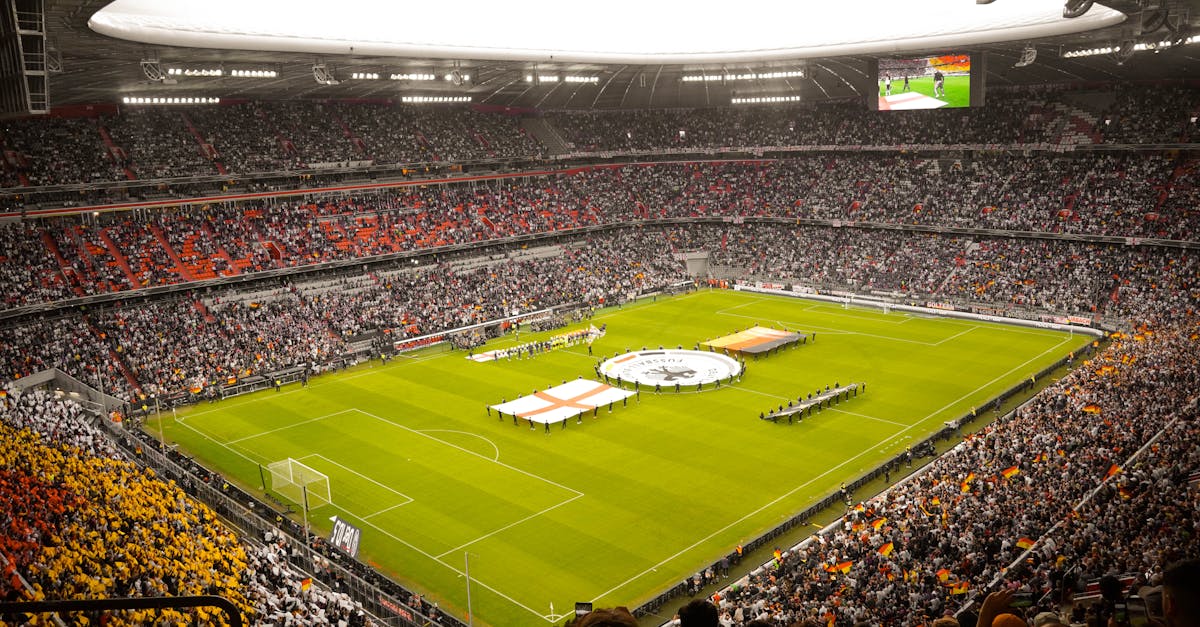
The World Cup factor cannot be understated. As Euronews noted, the Mexican government has upgraded stadiums in cities like Puebla and León, adding high-speed Wi-Fi zones and co-working pop-ups that open during match days. I witnessed a “remote-work lounge” set up inside the Estadio Akron in Zapopan, where developers could code while watching Mexico’s national team kick off. In New York, fans gather in sports bars or at corporate hospitality suites, but the experience is detached from everyday workspaces. For digital nomads who thrive on the energy of live sport, Mexico’s stadium-adjacent work environments provide a unique hybrid of productivity and entertainment.
Beyond the hard data, there are cultural nuances that shape the remote-work experience. Mexican workplaces tend to observe a “mañana” rhythm, with longer lunch breaks and a later start to the afternoon, which can suit freelancers seeking flexibility. New Yorkers, meanwhile, operate on a “24-hour city” cadence, where meetings can be scheduled at any hour and coffee shops stay open well past midnight. Whilst many assume that a higher cost equates to a better quality of life, my observations suggest that personal preference for pace, cuisine, and social atmosphere weighs heavily.
From a career perspective, both cities host a thriving remote-work travel industry. Companies such as RemoteYear and Nomad List list Mexico as a top destination for “best places to remote work” alongside Bali and Lisbon, while New York remains a hub for fintech startups that employ distributed teams across the globe. FlexJobs’ 2026 report highlighted that 68% of remote roles advertised by US firms are open to candidates based in the United States, meaning New York residents enjoy a broader pool of domestic opportunities. Mexican professionals, however, benefit from a burgeoning ecosystem of bilingual startups seeking English-speaking talent, a niche that has expanded since the World Cup announcement.
In terms of safety, the Teotihuacan shooting in 2026 prompted the Mexican government to tighten security around major venues, a move that has reassured many travellers. The incident, covered by Wikipedia, underscored the importance of choosing accommodation in well-policed districts and relying on coworking spaces that enforce stringent access controls. New York’s crime rates have remained stable, but the city’s high cost of living can expose remote workers to housing insecurity if they are on short-term contracts.
Summing up, the decision between Mexico and New York hinges on what you value most. If you prioritise affordability, visa simplicity, and a chance to watch world-class football from a café table, Mexico’s host cities present a compelling case. If you need ultra-reliable internet, proximity to a vast network of US-based clients, and are comfortable paying a premium for premium office space, New York retains its allure. In my view, the pandemic has taught us that productivity is less about geography and more about aligning lifestyle preferences with the infrastructure on offer.
FAQ
Q: Can I work remotely from Mexico during the World Cup without a special visa?
A: Yes, if your stay is under 90 days you can enter on a tourist visa, but for longer periods you will need the digital nomad visa introduced in 2022, which allows up to twelve months of remote work.
Q: How does the cost of coworking in Mexico compare with New York?
A: In Mexico, a hot-desk typically costs around US$150 per month, whereas in New York the same service can range from US$400 to US$550, reflecting the higher real-estate costs in the US city.
Q: Is internet reliability a concern in Mexican coworking spaces?
A: Most reputable spaces provide fibre connections with backup 4G routers, offering speeds of 100 Mbps and uptime above 98%; occasional outages can occur during the rainy season, but they are usually resolved quickly.
Q: What are the main cultural differences affecting remote work in Mexico versus New York?
A: Mexico often embraces a more relaxed schedule with longer lunches and a later afternoon start, while New York operates on a fast-paced, 24-hour rhythm; these differences influence work-life balance and meeting availability.
Q: Will I be able to watch World Cup matches while working in Mexico?
A: Yes, many coworking hubs and cafés near stadiums install large screens and high-speed Wi-Fi, allowing you to follow matches live without leaving your workspace.


